Note: This article revisits a story that was originally reported in December 2020.
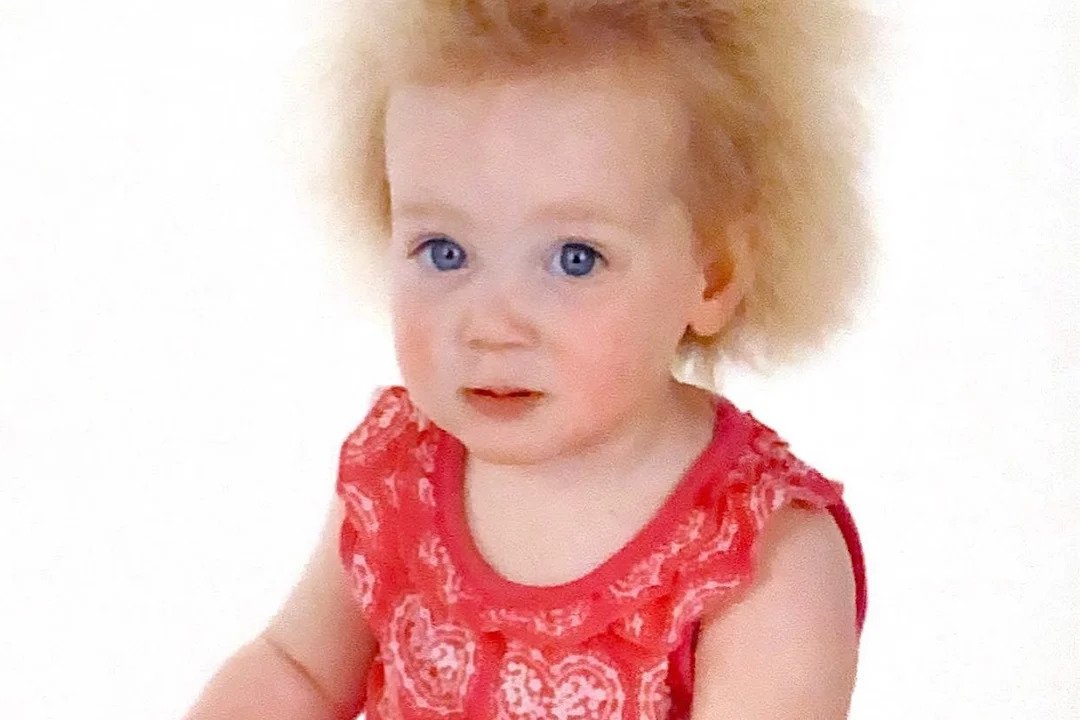
Shilah Madison Calvert-Yin, a 10-year-old girl from Melbourne, Australia, has gained attention for confidently embracing her unusual appearance and encouraging others to appreciate their differences. Shilah was born with an uncommon genetic disorder called uncombable hair syndrome, which affects the structure of her hair strands, giving them a distinctive heart-shaped appearance. The condition is also associated with the absence of a particular protein involved in normal hair formation, making her hair exceptionally difficult to manage or straighten.
Throughout her childhood, Shilah has endured unkind remarks from other children who compared her hairstyle to someone who had “stuck her finger in a power socket.” Rather than allowing the teasing to undermine her confidence, she gradually developed pride in her naturally fluffy hair. Her positive attitude reflects her determination to accept the features that make her different, even when others struggle to understand them.
Her mother, Celeste, a schoolteacher, has played an important role in helping Shilah build confidence and feel comfortable with her appearance. Together, they began sharing their experiences to educate people about uncombable hair syndrome and encourage greater acceptance of individuals with rare conditions. Their Instagram account, established to document Shilah’s everyday life and experiences, has attracted more than 15,000 followers.
Shilah has openly discussed the difficulties of being mocked at school, including classmates calling her “fluffhead.” Her unusual hairstyle can also be challenging to manage, particularly when strong winds make her hair even more difficult to control. Although she has learned to appreciate her distinctive appearance, the negative comments she occasionally receives from other children continue to affect her emotionally.
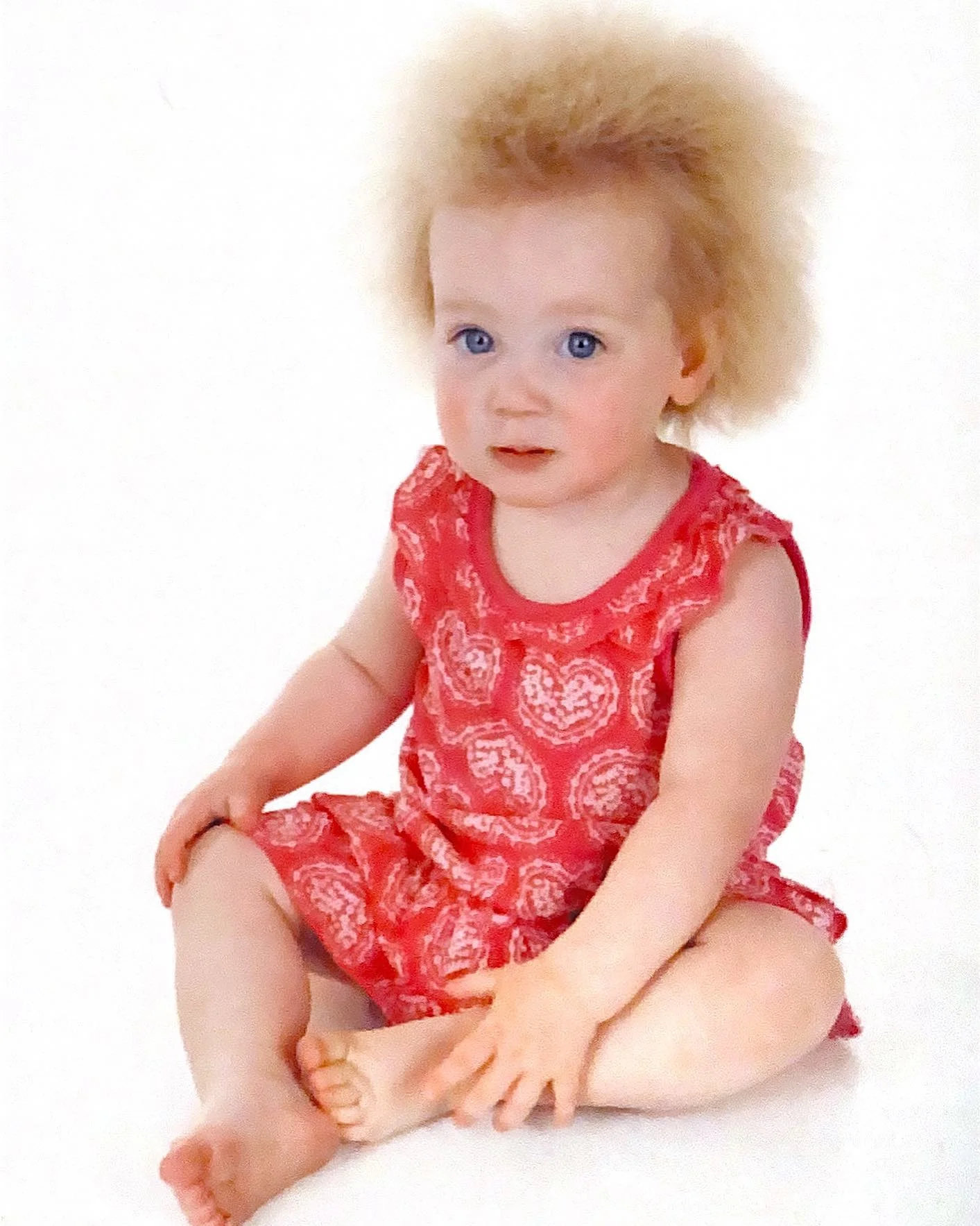
Celeste first became aware that something was different about her daughter’s hair when Shilah was approximately three months old. Her original brown baby hair began falling out and was gradually replaced by fine, unusual strands that grew almost directly upward instead of lying naturally against her head.
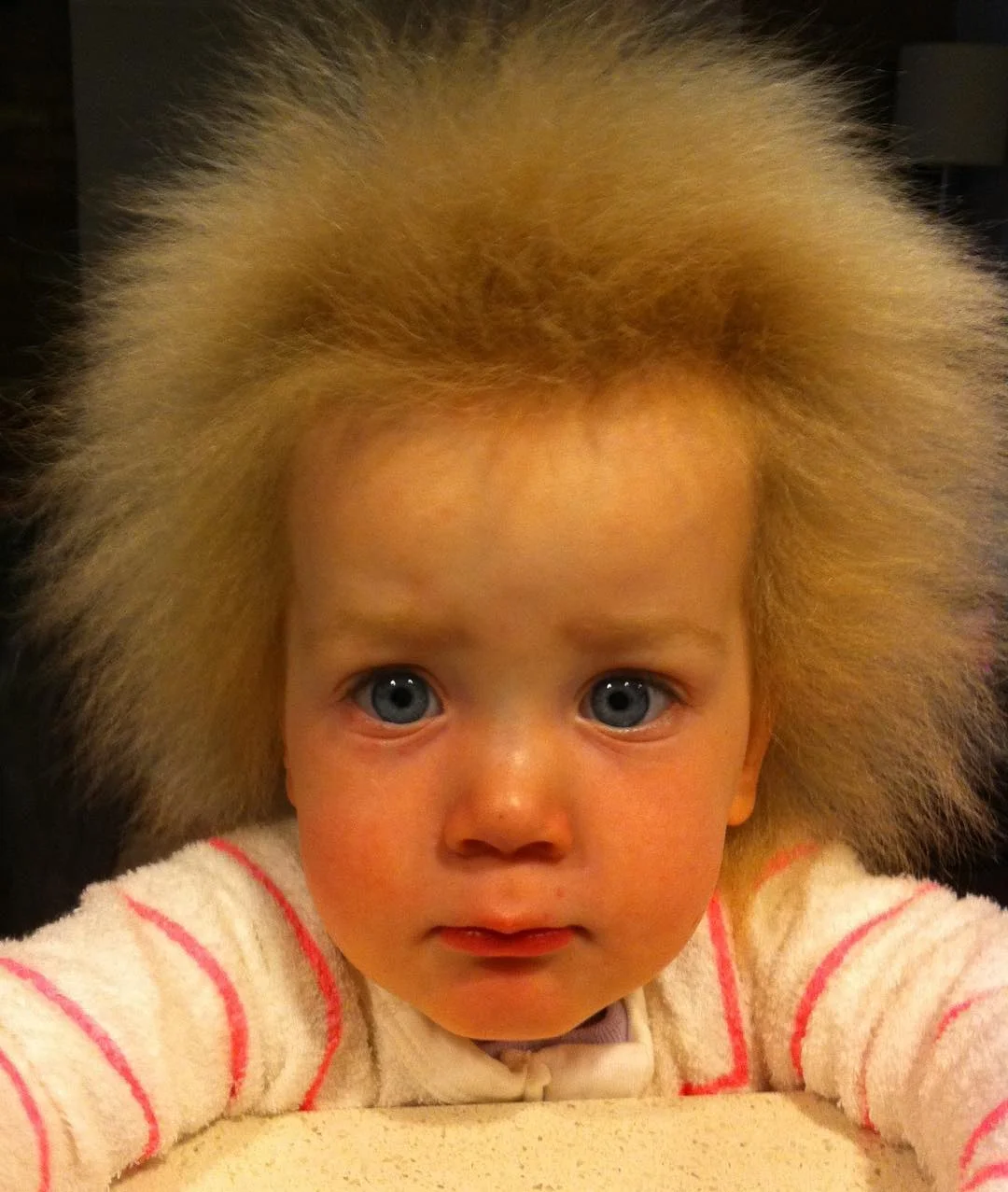
During her early years, Shilah frequently attracted attention from strangers who were unfamiliar with her condition. Some people even photographed her without requesting permission, leaving both Shilah and her mother feeling uncomfortable. As she grew older, the unwanted attention continued, with other children sometimes attempting to touch or pull her hair out of curiosity.
Despite these uncomfortable experiences, Shilah’s appearance has occasionally provided moments of laughter. During a Jurassic Park-themed event, she wore a laboratory coat that prompted a stranger to compare her hairstyle to Doc Brown, the eccentric scientist from “Back to the Future.” The unexpected resemblance became a running joke within the family, allowing them to find humor in her distinctive look.
As Shilah grew older, maintaining her hair became increasingly complicated. Its naturally dry and delicate texture caused the strands to become severely tangled during the night. Removing the knots each morning was often an uncomfortable and frustrating process, and the repeated difficulties meant the hair at the back of her head remained noticeably shorter than the rest.
When she was four, Shilah became frustrated that some sections of her hair were too short to include in the ponytail she wanted. She eventually decided to cut those shorter strands herself. The decision left her waiting more than two years for the hair to grow back, during which she often wore a headscarf to conceal the uneven, spiky sections.
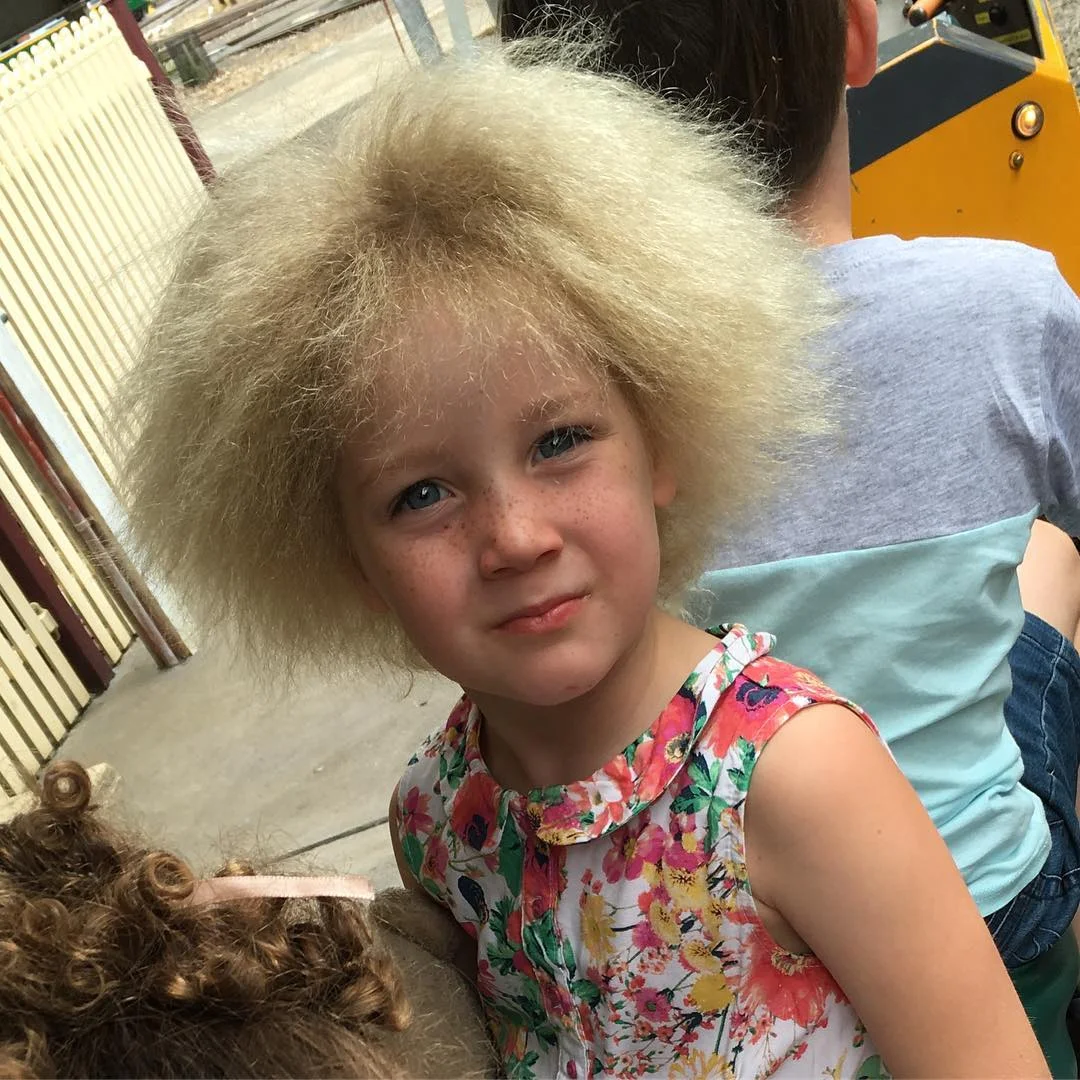
Shilah’s unusual hair structure also confused professional hairstylists, some of whom mistakenly recommended visiting salons specializing in Afro-textured hair. However, her condition produces a different type of hair that remains naturally soft without requiring oils or intensive conditioning treatments. Conventional heat-styling techniques can also damage the fragile strands, making ordinary methods of hair management unsuitable.
It was not until Shilah reached the age of seven that a dentist recognized the signs of uncombable hair syndrome. The rare disorder affects the formation of individual hair shafts, causing them to develop an unusual “heart-shaped” structure associated with a missing protein. Consequently, the hair tends to grow outward rather than lying flat, creating its characteristic fluffy appearance. In addition to affecting hair, the condition may also be associated with weakened tooth enamel, porous bones and brittle fingernails.
Receiving an explanation for her daughter’s condition brought considerable relief to Celeste, who had spent years trying to understand the unusual hair growth. The diagnosis resulted from an unexpected appointment with a dentist who had previously studied genetics and developmental abnormalities. Because the dental professional was familiar with uncombable hair syndrome, they recognized the characteristics that had puzzled Shilah’s family for so long.
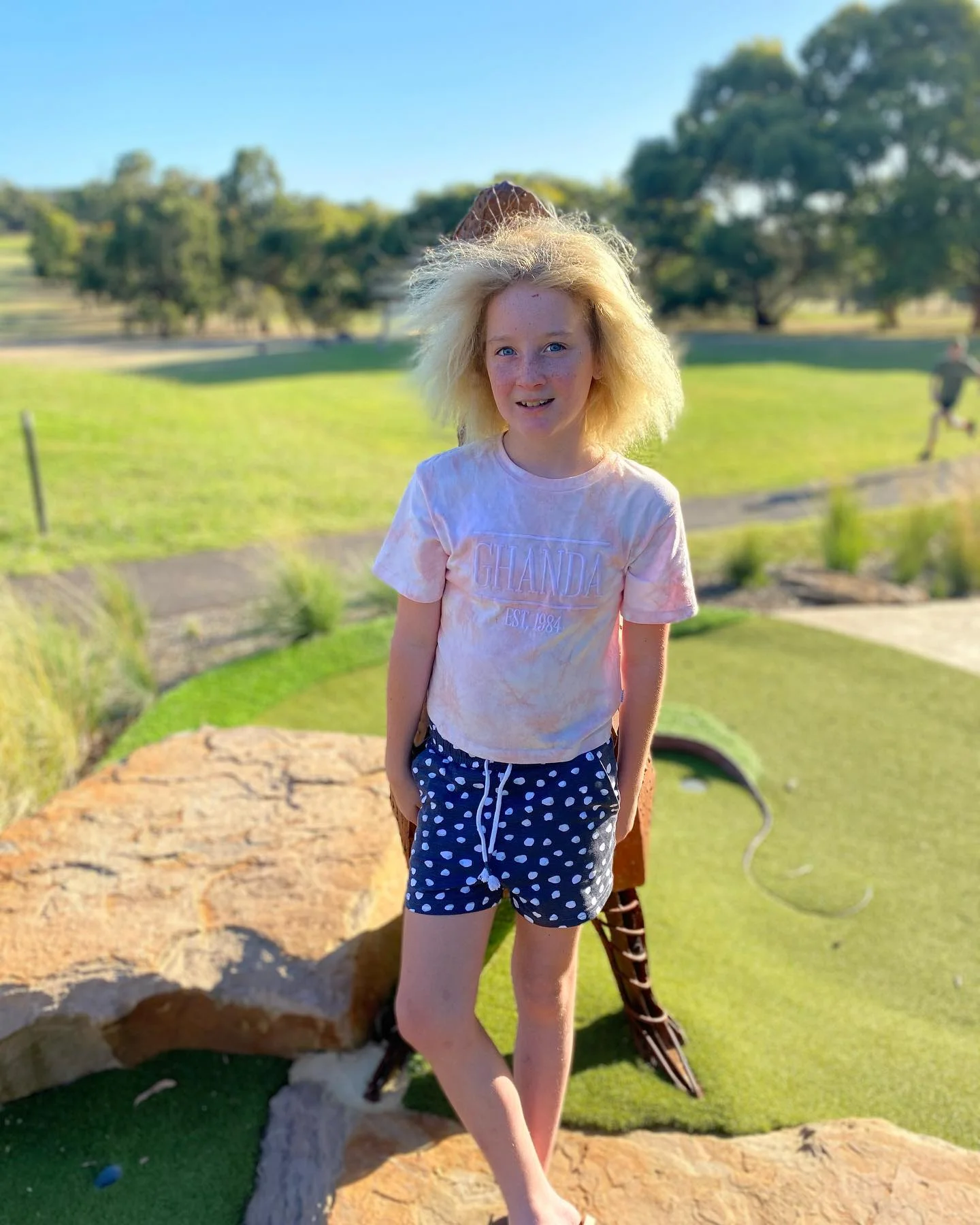
Although Shilah has encountered numerous challenges and uncertainties because of her condition, she has continued developing confidence in her appearance. With her mother’s encouragement, she has transformed her personal experiences into an opportunity to educate others about this uncommon genetic disorder. By openly sharing her journey, she hopes to encourage greater understanding and remind people that physical differences should never become reasons for embarrassment or exclusion.
Shilah Madison Calvert-Yin’s experience illustrates the importance of kindness, understanding and accepting people for who they are. Her journey demonstrates that embracing individual differences can help build self-confidence while encouraging others to appreciate the qualities that make every person unique.